1. Select a discrete app icon.








notes
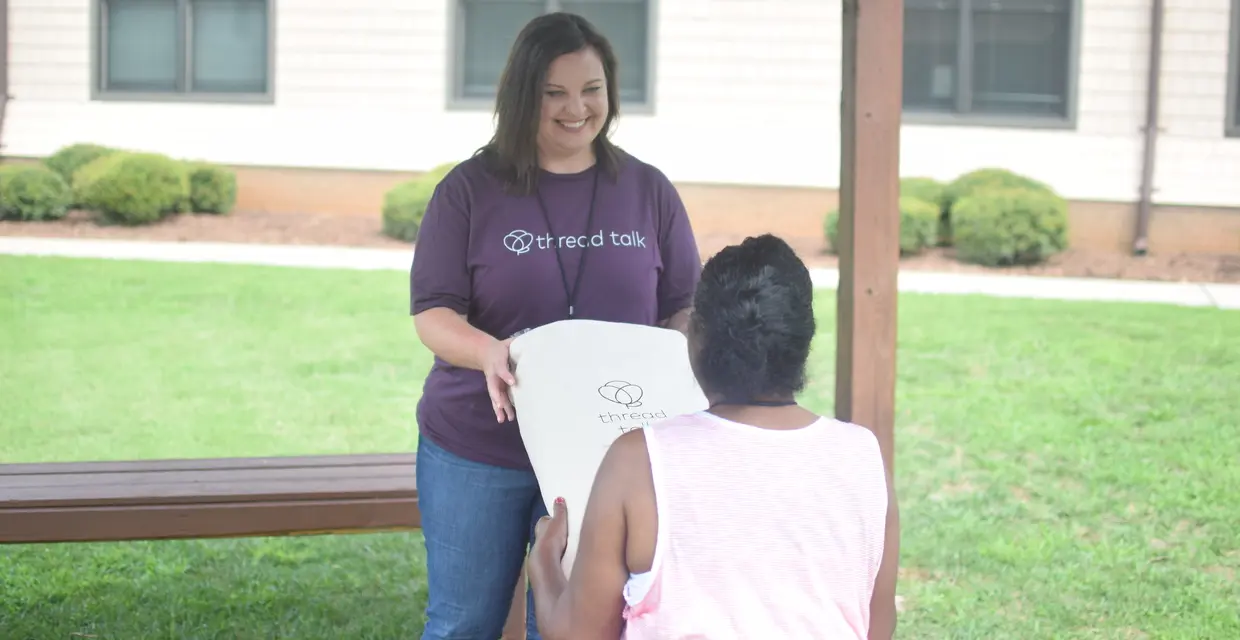
When people think about donating to a domestic violence shelter, the first image is often a box of used clothes or canned goods. The reality looks different. Shelters operate as crisis response centers, and the support they need is specific, practical and often misunderstood.
Here is a clear look at how shelters work, what they actually need and how individuals can offer support that makes a significant difference.
Domestic violence shelters provide safe, confidential housing for survivors fleeing abuse. Most also offer a range of wraparound services designed to help survivors rebuild their lives.
Typical services include:
Shelters serve survivors of all backgrounds, ages, genders and family situations. Many also support pets, since leaving an animal behind is one reason survivors delay leaving an abusive home.
They are not. Many domestic violence shelters operate at confidential locations to protect residents from abusers. Intake, security protocols and services are built around safety from a specific threat.
Most shelters need new items. Survivors arrive with little or nothing, and receiving something new restores a sense of dignity and worth. New products also meet the hygiene and safety standards shelters are required to follow.
Domestic violence shelters need more items than food and clothing. While food pantries and clothing closets help, shelters also need hygiene products, baby supplies, comfort items, gas cards and funding for legal and housing support.
Men, LGBTQ+ survivors, and people of all ages seek shelter services. Support needs reflect that range, as do services provided.
Recovery takes time. Survivors often need months of support to secure housing, employment and stability after leaving.
Donation needs vary by location, but most shelters consistently request the following.
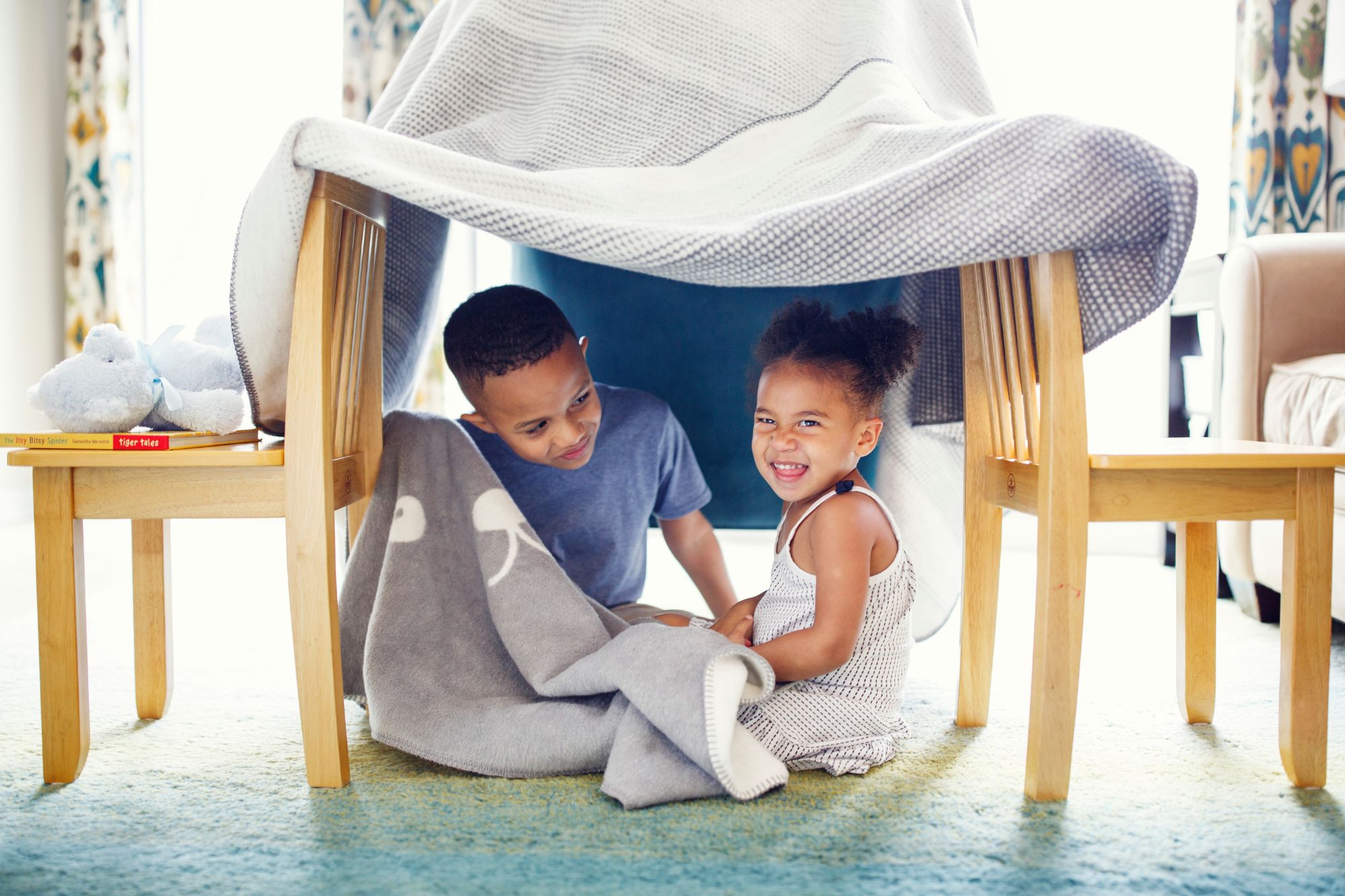
When a survivor arrives at a shelter, they are often exhausted, frightened and grieving the life they left behind. A soft, new blanket is more than bedding. It signals safety. It says someone cared enough to provide warmth and dignity at one of the hardest moments of their life.
Comfort items help regulate the nervous system, support better sleep and create small moments of calm during a crisis. For children, a new stuffed animal or cozy blanket offers reassurance in an unfamiliar place. These small touches build the foundation for healing.
Meaningful support looks different than most people expect, and small shifts in how you give often make the biggest difference. Use these five approaches to turn good intentions into help shelters actually use.
Find your local shelter through the DomesticShelters.org Get Help tool and review their current needs list. If you want to support shelters nationwide, look for organizations and brands with established giving programs tied to survivor support.
Thread Talk donates 10 percent of every purchase to fund critical wish list items at more than 2,600 shelters across the country through DomesticShelters.org. Each Thread Talk blanket sold turns everyday comfort into direct shelter support.
Survivor support extends far beyond what you put in a donation box. Awareness and advocacy shape the conditions that help survivors escape, heal and rebuild.
Learn the signs of abuse and how to respond when someone confides in you. Share survivor resources within your network. Vote for policies that protect survivors and fund services. Speak up against attitudes that minimize abuse.
Organizations shape outcomes, too. Companies looking to align their giving with survivor support increasingly turn to corporate gifting that supports domestic violence programs, choosing gifts for employees and clients that fund shelter resources with every order. This approach turns routine business spending into ongoing impact.
Helping domestic violence shelters is less about grand gestures and more about consistent, informed action. When you understand what survivors need, your support lands where it matters most.
A phone call to your local shelter, a new blanket purchased from a brand that gives back like Thread Talk or a conversation that challenges harmful attitudes all add up. Each one sends a clear message to survivors: you are seen, you are valued and you are not walking this path alone.

Your support, in whatever form it takes, helps shelters continue the life-changing work of meeting survivors where they are and walking with them toward what comes next.
Most shelters need new hygiene products, baby supplies, comfort items like blankets, gift cards and direct financial donations. Needs vary by location, so check with your local shelter first.
New toiletries, feminine hygiene products, diapers, new pajamas and underwear, cleaning supplies, blankets and gift cards top most wish lists. Always donate new items to protect survivor dignity and safety.
Volunteer your time or professional skills, organize a donation drive, advocate for survivor-supportive policies, share educational resources and shop from brands that fund shelter programs.
Shelters provide safe housing, crisis support, counseling, legal advocacy, case management, children's services and help with long-term goals like employment and permanent housing.
Every blanket, donation and conversation moves survivors closer to safety and stability. Whether you give items, time or awareness, your support helps shelters do the work that changes lives.
Your support gives hope and help to victims of domestic violence every day.

Welcome, this is your discreet connection to help.
You are safe here.
Menstruation is an experience shared by
generations of women across the globe.
Sadly, abuse is another commonly shared experience between women.
Be it physical or psychological, abuse is not OK in any form.
Period.
You are not alone.
Help is just a few clicks away.
Welcome to DomesticShelters.org, a trusted Bright Sky US partner. On DomesticShelters.org, you will find free domestic violence resources such as:
The Bright Sky US website is still open on your browser in a separate tab, so you can return to the Bright Sky US website anytime.


